
Many who enjoy Cognac also love Whisky – or Whiskey – (the difference being that the extra ‘e’ in the spelling denotes Irish Whiskey, as opposed to Scottish Whisky – also referred to as simply, Scotch. But we’ll talk more about that all important ‘e’ in just a moment). And yes, many people are aware that Cognac is made from grapes, and Whisky from grain. And we’ll cover Brandy too. But the story certainly doesn’t end with the grape versus grain saga.
Before we talk about the difference between Whisky and Cognac and brandy, let’s mention a couple of similarities. All are fermented, and convert sugar to ethanol. And they’re aged in wooden barrels: In general, the longer they age, the smoother the taste becomes.
The spirits pick up quite a lot from these wooden barrels – and this includes both color and taste. And Scotch and Cognac share the method of distillation in pot stills. Both spirits are distilled at a low proof.
1. Grape versus grain
So let’s get to the crux of the matter. Because there really are some major differences between Whiskey and Cognac (and brandy). And it all begins with the raw materials, more than the methods and how to consume the actual product.
Whiskey is made from grain, most usually barley. That is then mixed with water and yeast and is then distilled. The spirit is then aged in oak barrels.
Oh, and a little more information about that ‘e’ that you see in Whiskey, or not, as the case may be. In addition to denoting whether it comes from Scotland or Ireland, when spelled ‘Whisky’ it can also come from Japan or Canada. And when it’s Whiskey, it could also be from the US. No-one ever said that drink labels were clear cut…!
The name “brandy” comes from Dutch “brandewijn”, meaning burnt wine. And that is quite a good name, as wine is distilled for brandies and of course Cognac.
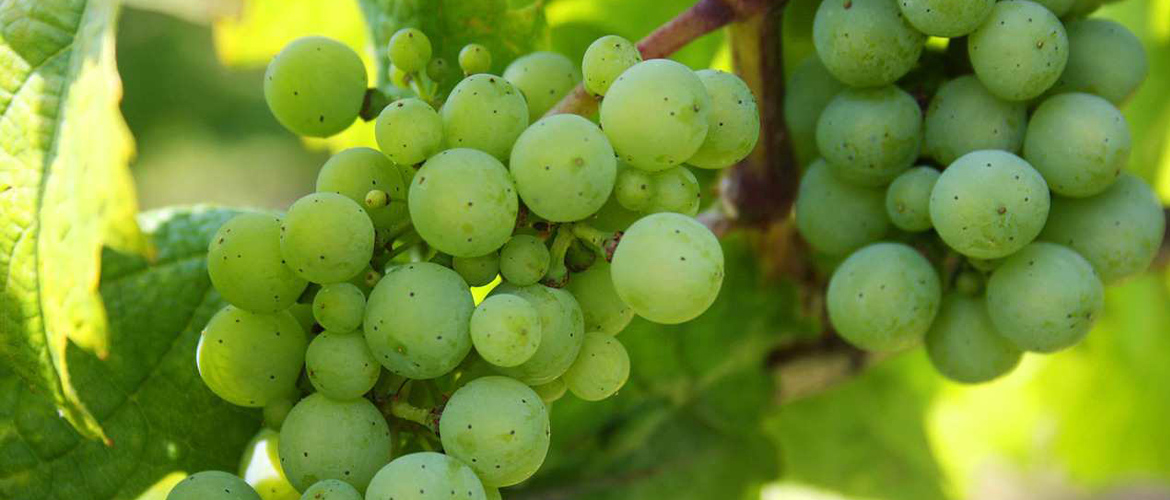
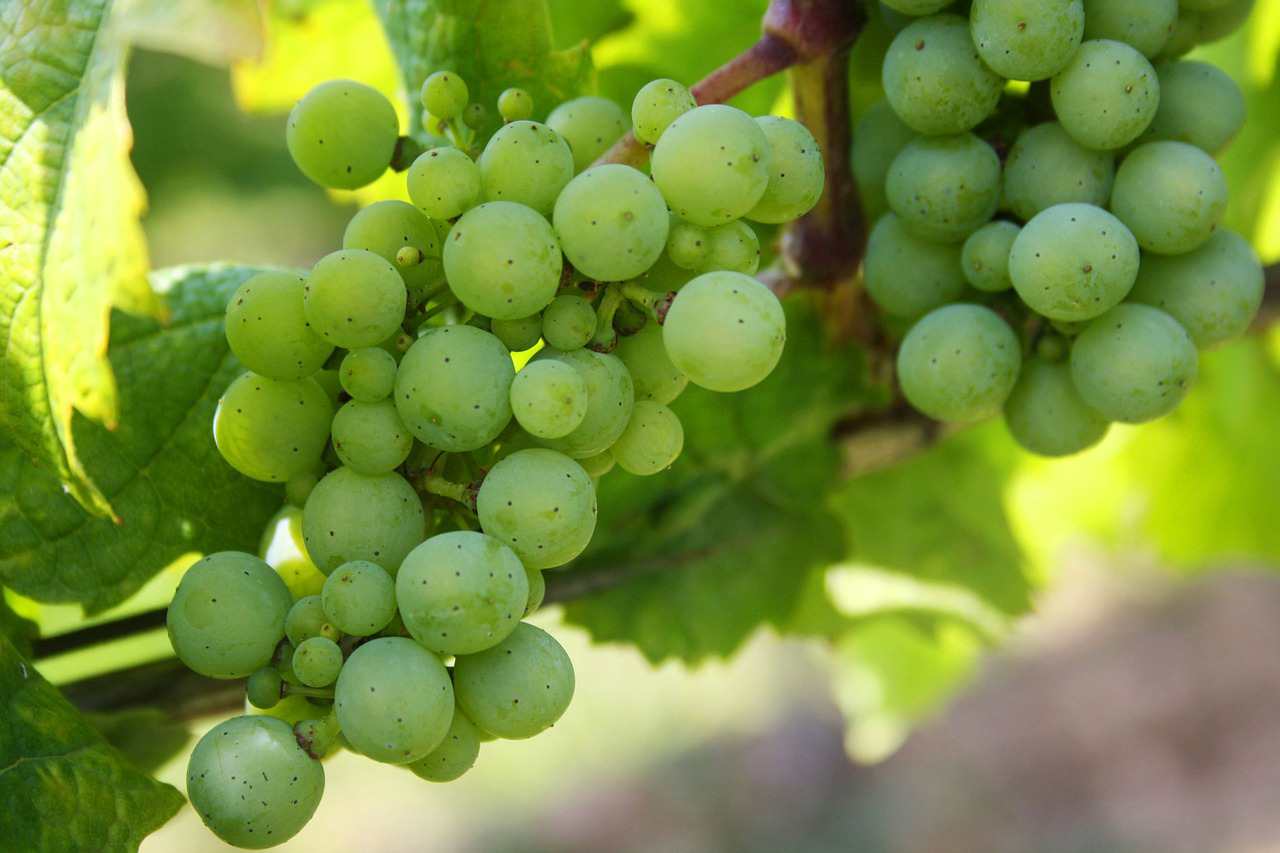
As already mentioned, the raw material of Cognac is grapes – the juice of which is fermented creating an acidic wine – perfect for cognac production. The juice is fermented about 5 days before distilling, (Cognac undergoes a double distillation process), which creates what’s known as eaux-de-vie. This is then aged over years in oak casks.
2. What about age? Is Cognac older than Whisky?
Both Cognac and Whiskey are aged in casks. The youngest Cognac is referred to as a VS, or *** (3 stars). The minimum age of such a product is two years. However, some are aged for much longer than this – in some very special cases, over a hundred years old.
Cognacs (and Brandy) tend not to denote age by numbers. Instead, they use the terms VS (over two years old), VSOP (over four years old) and XO (over six years old). However, many Cognacs have components that are far older than this. We explain in more detail these terminologies and others in our article about understanding Cognac ages and labels.
While Cognac and Brandy use age terms such as VS, VSOP or XO, Whiskey shows the exact age of its content. For example 3, 5, 10, 12 or 15 years. There are also Whiskies at 18 years, but older ones somewhat rarer.
So actually, it’s really not a clear cut answer as to which is older, Cognac or Whisky. A 15-year-old Whisky is older than a VS Cognac. But an XO Cognac may well have some eaux-de-vie within its blend that could legitimately be 50, 80, 90 or even 100 years old or more.
If we’re talking old school, then Cognac was traditionally seen as a digestif. A drink to enjoy after dinner, perhaps with a coffee or paired with a cigar. However, Cognac has done much to shake off the ‘stuffy old man’ image in recent years. It’s now the drink of uber-trendy hip hop stars and one that the Millennials are falling in love with. You only need look at the new, trendy Cognacs on offer to see that the drink has had a massive surge in popularity with ‘Generation Y’. Nightclub shelves are stocked with Cognac -and it now features in many a favorite cocktail (a throwback to the time, decades ago, when it was also drunk in such a fashion).
Whiskey, on the other hand, certainly didn’t fall foul of such a conservative image in recent years. Although it has to be said, it’s still a truly traditional drink. But Whisky doesn’t seem to have suffered the fall in popularity that befell Cognac a couple of decades ago. Thankfully, the world has now rediscovered its love affair with Cognac – and about time too!
Regarding how to drink the spirits. Well, there was a time when it would’ve been said that while you add water to a Whisky, you’d never do that with a Cognac. Simply because the structure of each is totally different – because Whisky is grain based and Cognac is fruit based. But today, this certainly isn’t true. Because there’s many a Cognac that you can certainly add a drop of water too, in order to release different flavors. The upsurge in the popularity of cask-strength Cognacs has certainly seen to that. And it’s now perfectly acceptable to take your Cognac ‘on the rocks’ – in the same way as you might a Whisky.
And hey – whether you’re drinking Whisky or Cognac, how you enjoy it is your business. Once that glass is in your hands, it’s your drink to do whatever you want with…
3. Is one better than the other?
So, as you can see there are some major differences between Cognac and Whiskey. But is one better than the other? Well, that’s something that can only be decided by you. We, of course, are biased towards Cognac, as you can read here. But if forced, we’ll taste the occasional Whisky (or Whiskey), it has to be said. In fact, we don’t think you have to be a ‘Cognac person’, or a ‘Whiskey person’. You can simply enjoy the best of both. We’ll be shot down in flames by many for that comment, we’re sure.
4. And what about brandy?
And last but not least – what is the difference between brandy and Cognac? Well, that’s simple… Because ‘all Cognac is brandy, but not all brandy is Cognac’.
Barrel pic: Wikipedia
Related products
Get articles like these and more:
Subscribe to our mailing list


36 Comments
Whisky has no “e” in it! To be an expert you really need to know this and also drinking to much of it will give you gout.
Hello John,
thanks for your comment! I will see what I can do to remove that mistake.
Just a hint: “too much” is spelt with double “o”
Have a nice day!
Hi every body
Try it all, including rum.
Be aware there is some good drinks in both cognac, whisk(e)y and rum
Drink what you like, not what other think you like, then you get the best experience ;o)